


- Best Seller
- Bestseller
-
Spara 27%
-
Spara 18%
-
Best Seller

 -23%Spara 23%
 - Bestseller
- Best Seller
- Best Seller
- Bestseller






















What is Achilles tendon inflammation?
Achilles tendinitis is a common condition that causes pain and stiffness in the Achilles tendon, which is located at the back of the lower leg and attaches to the heel.
The condition most often occurs due to overuse, for example when running, walking or doing another activity that places repeated stress on the Achilles tendon. Despite the name, it is often not a classic inflammation, but rather irritation or minor damage to the tendon.
The pain often develops gradually and may begin as mild stiffness that later develops into more noticeable symptoms.
Common symptoms of Achilles tendinitis
Symptoms can vary depending on how advanced the condition is, but common signs include:
- Pain in the Achilles tendon, especially when under strain
- Stiffness in the morning or after resting
- Tenderness when pressure is applied along the tendon
- Swelling or thickening of the Achilles tendon
- Pain that worsens with activity
Many people find that the pain is worst at the beginning of movement, for example when taking the first steps in the morning.
Why do you get Achilles tendinitis?
The most common cause is overloading the Achilles tendon over time. Symptoms often occur when the load increases faster than the body can adapt.
Common causes include:
- Increased training volume or intensity
- Running on hard surfaces
- Shoes with poor cushioning
- Tight calf muscles
- Incorrect loading or foot position
Even small changes in your daily routine or training may be enough to trigger symptoms.
How to relieve the symptoms
To reduce pain and help the Achilles tendon recover, it is important to combine rest with the right support.
It may help to:
- Reduce or pause activities that cause pain
- Choose shoes with good cushioning
- Reduce strain on the Achilles tendon in everyday life
- Give your foot better support with every step
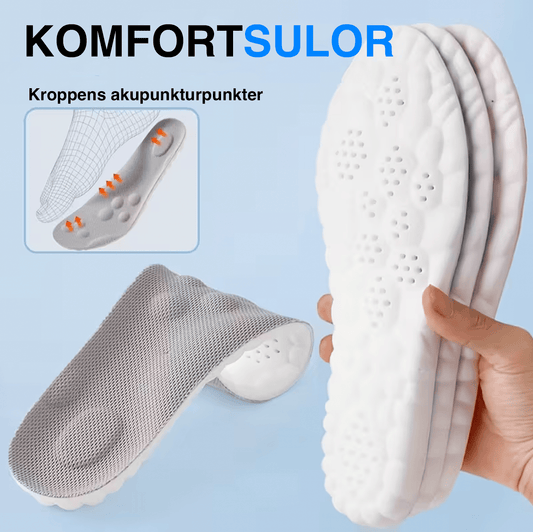
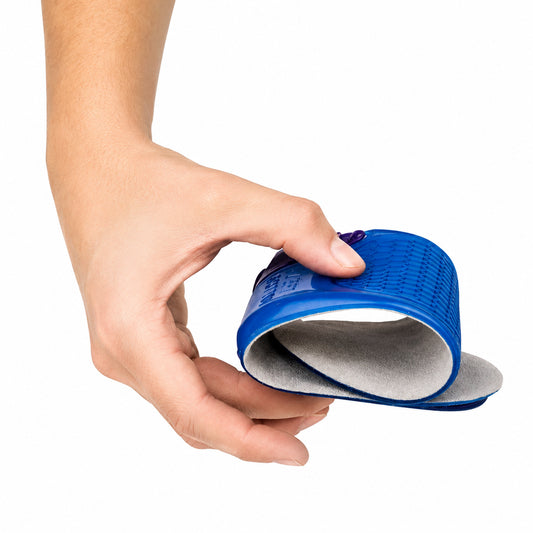
Many people find that shock-absorbing insoles or heel inserts can reduce the strain on the Achilles tendon and make it easier to move without pain.
What works best for Achilles tendon inflammation?
The most effective approach is usually a combination of several measures focused on reducing the strain and gradually strengthening the tendon.
Common solutions include:
- Insoles or heel inserts that reduce strain on the Achilles tendon
- More stable shoes with good shock absorption
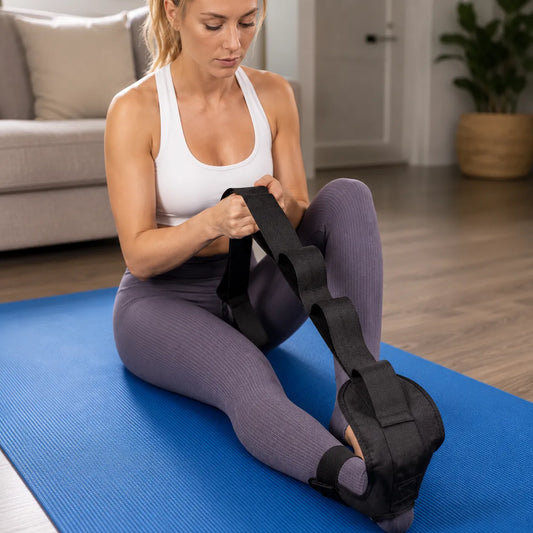
- Stretching the calf muscles
- Adapting training and activity
By reducing the strain in time, you can often prevent the symptoms from becoming long-lasting.
How long does it take to get better?
Recovery time varies depending on how long you have had the symptoms and how quickly you reduce the strain.
For many people, it takes a few weeks to several months for the pain to disappear completely. However, with the right measures, you can speed up the process and reduce the risk of recurrence.
When should you act?
If you feel pain in your Achilles tendon that does not go away, or if your symptoms get worse with activity, it is important to take it seriously.
The sooner you reduce the strain and provide proper support, the greater your chance of avoiding more long-term problems.
Frequently asked questions about Achilles tendon inflammation
What is Achilles tendon inflammation?
It is a condition in which the Achilles tendon becomes overloaded and irritated, leading to pain and stiffness.
What does Achilles tendon inflammation feel like?
It often feels like pain and stiffness in the Achilles tendon, especially during movement or after resting.
Can you exercise with Achilles tendon inflammation?
Yes, but you should adapt your training and avoid activities that make the pain worse.
What helps fastest?
Rest, combined with good shoes and supportive insoles, often provides the fastest relief.
Do you need to seek medical care?
If the pain does not go away or gets worse, it may be a good idea to contact a healthcare provider.
Read more: Information about Achilles tendon inflammation on 1177
What is Achilles tendon inflammation?
Achilles tendinitis is a common condition that causes pain and stiffness in the Achilles tendon, which is located at the back of the lower leg and attaches to the heel.
The condition most often occurs due to overuse, for example when running, walking or doing another activity that places repeated stress on the Achilles tendon. Despite the name, it is often not a classic inflammation, but rather irritation or minor damage to the tendon.
The pain often develops gradually and may begin as mild stiffness that later develops into more noticeable symptoms.
Common symptoms of Achilles tendinitis
Symptoms can vary depending on how advanced the condition is, but common signs include:
- Pain in the Achilles tendon, especially when under strain
- Stiffness in the morning or after resting
- Tenderness when pressure is applied along the tendon
- Swelling or thickening of the Achilles tendon
- Pain that worsens with activity
Many people find that the pain is worst at the beginning of movement, for example when taking the first steps in the morning.
Why do you get Achilles tendinitis?
The most common cause is overloading the Achilles tendon over time. Symptoms often occur when the load increases faster than the body can adapt.
Common causes include:
- Increased training volume or intensity
- Running on hard surfaces
- Shoes with poor cushioning
- Tight calf muscles
- Incorrect loading or foot position
Even small changes in your daily routine or training may be enough to trigger symptoms.
How to relieve the symptoms
To reduce pain and help the Achilles tendon recover, it is important to combine rest with the right support.
It may help to:
- Reduce or pause activities that cause pain
- Choose shoes with good cushioning
- Reduce strain on the Achilles tendon in everyday life
- Give your foot better support with every step
Many people find that shock-absorbing insoles or heel inserts can reduce the strain on the Achilles tendon and make it easier to move without pain.
What works best for Achilles tendon inflammation?
The most effective approach is usually a combination of several measures focused on reducing the strain and gradually strengthening the tendon.
Common solutions include:
- Insoles or heel inserts that reduce strain on the Achilles tendon
- More stable shoes with good shock absorption
- Stretching the calf muscles
- Adapting training and activity
By reducing the strain in time, you can often prevent the symptoms from becoming long-lasting.
How long does it take to get better?
Recovery time varies depending on how long you have had the symptoms and how quickly you reduce the strain.
For many people, it takes a few weeks to several months for the pain to disappear completely. However, with the right measures, you can speed up the process and reduce the risk of recurrence.
When should you act?
If you feel pain in your Achilles tendon that does not go away, or if your symptoms get worse with activity, it is important to take it seriously.
The sooner you reduce the strain and provide proper support, the greater your chance of avoiding more long-term problems.
Frequently asked questions about Achilles tendon inflammation
What is Achilles tendon inflammation?
It is a condition in which the Achilles tendon becomes overloaded and irritated, leading to pain and stiffness.
What does Achilles tendon inflammation feel like?
It often feels like pain and stiffness in the Achilles tendon, especially during movement or after resting.
Can you exercise with Achilles tendon inflammation?
Yes, but you should adapt your training and avoid activities that make the pain worse.
What helps fastest?
Rest, combined with good shoes and supportive insoles, often provides the fastest relief.
Do you need to seek medical care?
If the pain does not go away or gets worse, it may be a good idea to contact a healthcare provider.
Read more: Information about Achilles tendon inflammation on 1177